


Test Bench Iron Floor Supply | Anti-Vibration Design
Other Products


Test Bed Iron Plate: Innovative Flooring Material with Excellent Performance
Investing in a test iron plate is a crucial foundational equipment investment, as its performance directly impacts subsequent inspection accuracy, assembly quality, and production efficiency. Faced with a market flooded with diverse specifications and varying quality products, how can one purchase a platform that suits their needs? This guide will analyze key dimensions for you 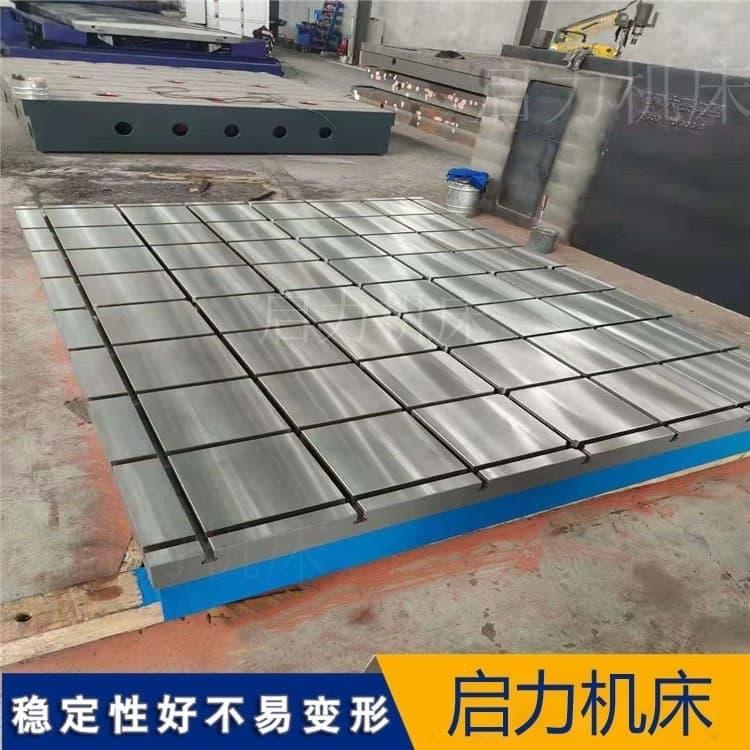
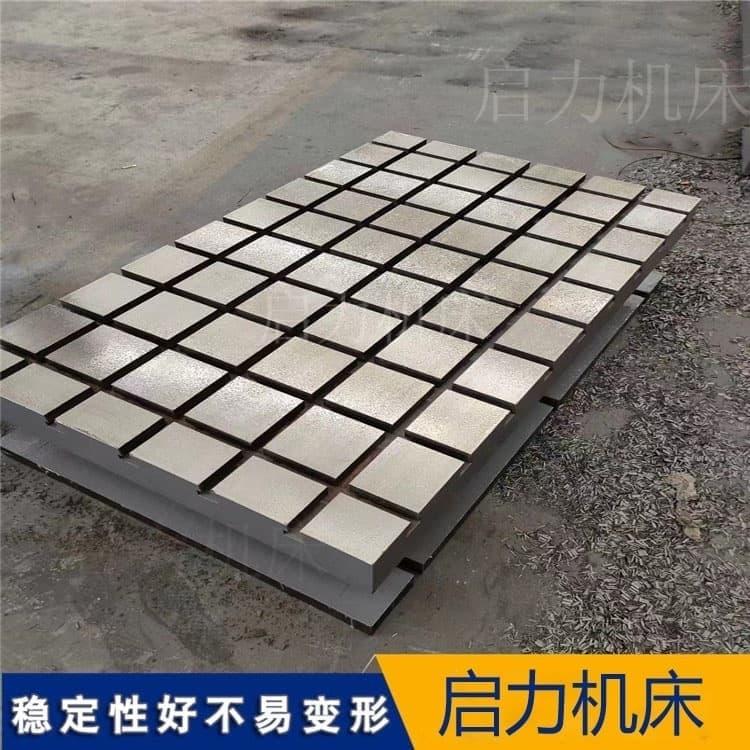
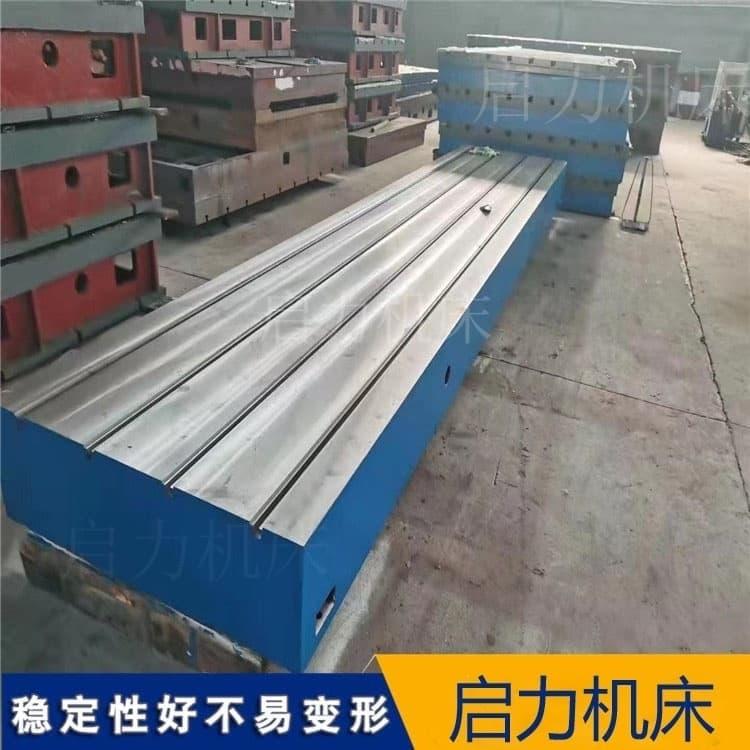 to help you make an informed decision.
Step One: Clarify Core Requirements - Accuracy Grade is Fundamental
Standard Grades: Standards (such as T7974-1999) classify platforms into six accuracy grades: 000, 00, 0, 1, 2, and 3. The smaller the grade number, the higher the accuracy requirement (e.g., smaller flatness tolerance).
How to Choose?
Metrology Room/High-Precision Inspection: Typically requires Grade 00 or Grade 0 platforms for gauge calibration and high-precision workpiece inspection.
Workshop Inspection Station/Critical Process Inspection: Grade 0 or Grade 1 platforms are commonly used.
Marking Platform/General Assembly: Grade 1 or Grade 2 platforms are sufficient.
Rough Machining/Heavy Workpiece Support: Grade 2 or Grade 3 platforms.
Avoid Misconceptions: Blindly pursuing high grades (Grade 000) not only significantly increases costs but also makes it difficult to maintain such high precision in ordinary workshop environments over the long term, leading to resource waste. Be sure to select based on the actual stringent accuracy requirements of your application.
Step Two: Determine Specifications, Dimensions, and Load Capacity - Balancing Space and Weight
Dimensions (Length x Width): Determine based on the size of the largest workpiece, the number of workpieces operated simultaneously, and the space occupied by required tooling fixtures. The platform should have sufficient operating space (at least 200-300mm around the workpiece). Common specifications range from 1000x1000mm to several meters square.
Load Capacity: Evaluate the weight of the heaviest workpiece and any potential applied forces (e.g., clamping force, operational force). The platform's own weight and reinforcement structure determine its load capacity. Be sure to consult the supplier for the specific maximum allowable load (uniform and concentrated load indicators) and include a safety margin.
Step Three: Focus on T-Slot Design - Key to Functionality
Slot Standards: Confirm that the T-slot dimensions (slot width, slot depth) comply with standards or common industry standards, as this affects compatibility with standard fixtures (T-nuts, bolts, clamps). Common slot widths include 14mm, 18mm, 22mm, 28mm, etc.
Number of Slots, Slot Spacing, Edge Distance:
More slots and smaller spacing offer greater flexibility in clamping point selection but may weaken platform strength. A balance between flexibility and strength is necessary.
Common slot spacing specifications include 100mm, 150mm, 200mm, etc.
Purchasing a test iron plate is an engineering task that requires comprehensive consideration of factors such as accuracy, specifications, load capacity, T-slot configuration, material craftsmanship, brand service, and more. By following this guide, clearly defining your needs, focusing on core process details, and choosing a reliable supplier, you can purchase a cost-effective, durable platform that lays a solid foundation for your production quality.
Qili Machine Tool, Ms. Xie, 13785751790
| Industry Category | Instruments & Meters/Testing Machines/Other Testing Machines |
|---|---|
| Product Category | |
| Brand: | 启力 |
| Spec: | 3000*5000 |
| Manufacturer: | 泊头启力机床 |
| Origin: | 111309 |


